Database Marketing
Customer data, CRM, segmentation, analytics and personalisation — knowing who your customers are and what they do.
Database marketing is about using what you know about your customers to make better decisions: who to talk to, what to say, when, and through which channel. Its raw material is customer data — transactions, enquiries, preferences and behaviour — kept in a CRM or customer data platform and turned into segments and insight.
Any organisation processing personal data in the UK needs a lawful basis for each use, must be transparent in a privacy notice, and in most cases must pay the ICO's data protection fee.
Data and CRM
A customer relationship management (CRM) system is the single record of who your customers are and every interaction you have had with them. Choose one your team will actually use; an expensive CRM half-filled with stale records is worse than a tidy spreadsheet. Agree what fields matter, who updates them and how duplicates are merged.
Data decays quickly — people move, change jobs and change email addresses. Clean and de-duplicate regularly, and delete what you no longer need: holding data "just in case" is both a risk and a breach of the storage-limitation principle.
Segmentation
Segmentation groups customers so you can treat different groups differently. Start with behaviour, which predicts better than demographics: recency, frequency and monetary value (RFM) is the classic method — your best customers bought recently, buy often and spend the most. Add channel preference, product interest and life stage as you learn more.
Analytics and insight
Analytics turns the database into decisions: which campaigns paid back, which customers are at risk of lapsing, what a customer is worth over their lifetime. Use control groups when you can — the only reliable way to know a campaign worked is to compare people who got it with similar people who didn't.
Demographics and profiling
Demographic and geodemographic profiles (age, life stage, area type) help you understand who your customers are and find more people like them. Census data from the Office for National Statistics is free and detailed down to small areas. Treat profiles as a starting point for targeting, not a substitute for behavioural data.
Personalisation
Personalisation uses data to tailor content: product recommendations, reminders, relevant offers. The test is whether the customer would find it helpful rather than creepy. Use data people would expect you to use, explain it in your privacy notice and give them control.
Data-driven marketing books
Shop this on Amazon

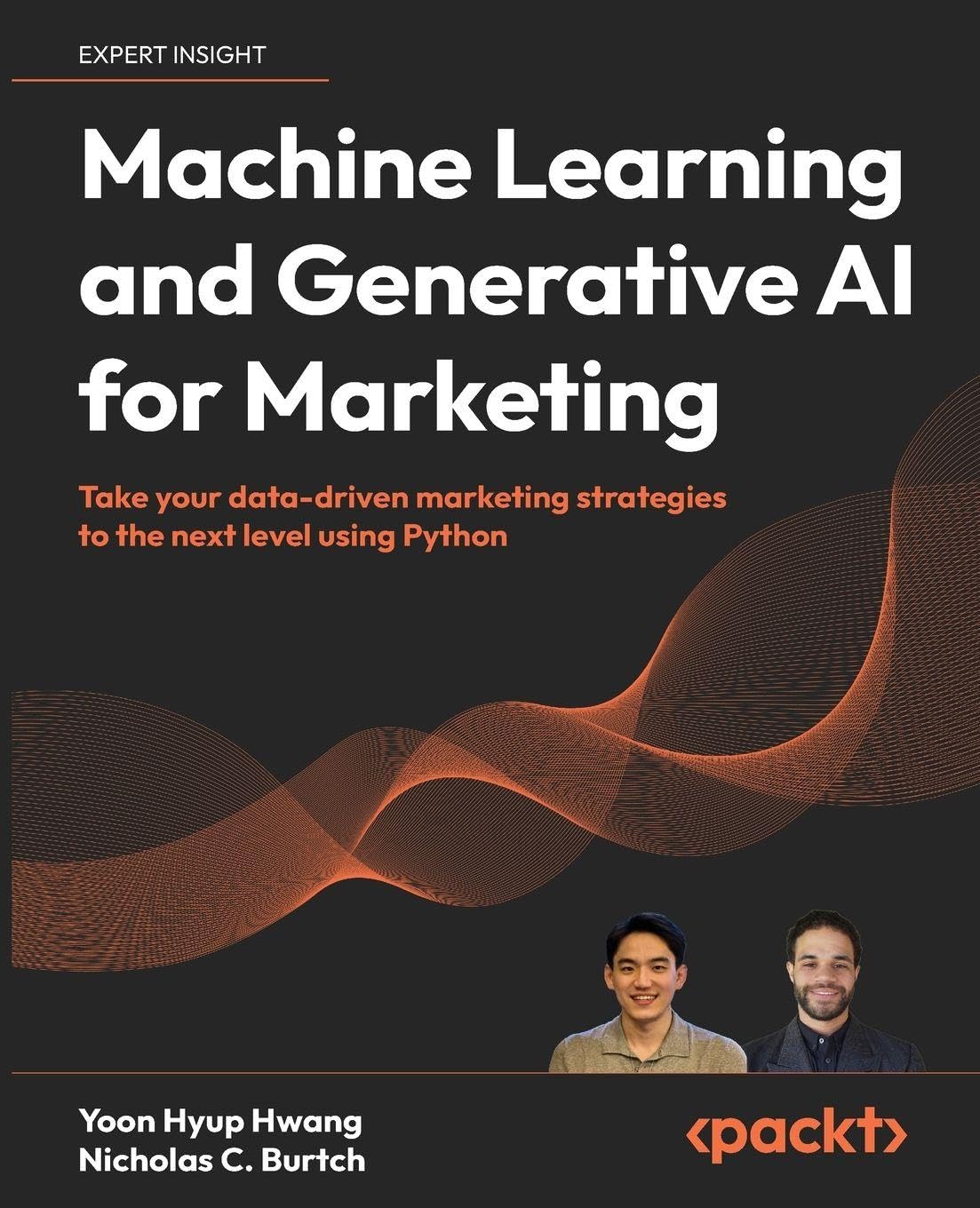
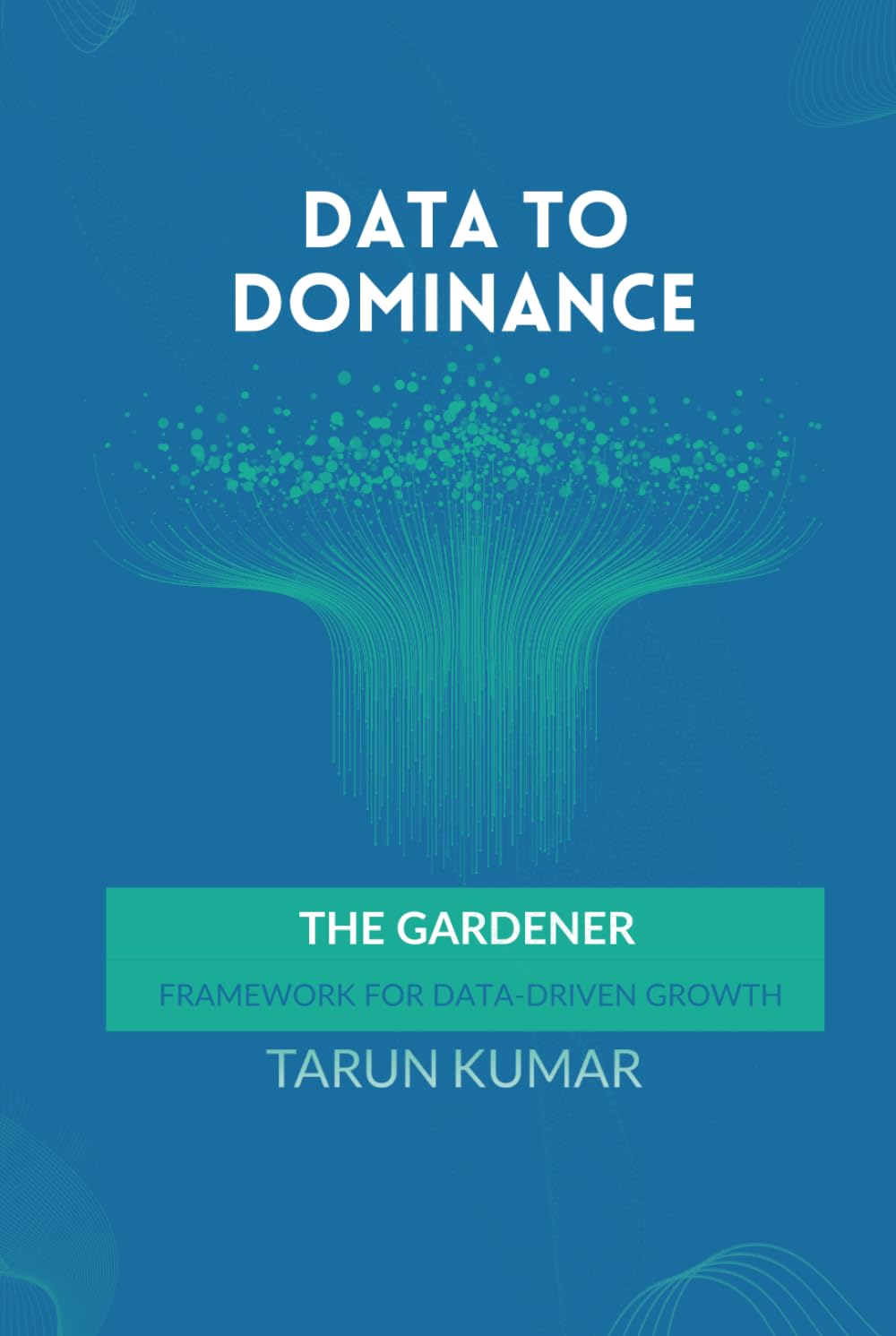
Prices change; check the current price on Amazon. We earn a small commission on qualifying purchases at no extra cost to you.