Direct Marketing
Addressed mail, door drops, SMS and promotions — messages sent to a chosen person, asking for a response.
Direct marketing sends a message to a chosen person or household and asks them to respond: call, click, visit, buy, donate. Its great virtue is accountability — every piece can carry a code, so you know exactly what each mailing, text or offer returned.
Because it uses personal data, direct marketing sits squarely under UK GDPR and, for electronic messages, PECR. The ICO's direct marketing guidance is the reference to read before you start.
Direct mail
Addressed mail has a physical presence that email lacks: it gets kept, passed around and pinned to fridges. It suits high-value offers, lapsed-customer reactivation, fundraising and anything that benefits from a tangible format. Royal Mail offers discounted Advertising Mail rates for bulk, sorted mailings.
Postal marketing to individuals can usually rely on legitimate interests under UK GDPR rather than consent, provided you are transparent and honour objections. Screen consumer lists against the Mailing Preference Service (MPS) and keep your own suppression file of people who have opted out.
Door drops
Unaddressed leaflets delivered to every home in chosen postcode sectors are a cheap way to cover a local area. They work for takeaways, trades, estate agents, gyms and new store openings. Choose sectors by profile and distance, and use a unique offer code or landing page so you can measure each drop.
SMS and messaging
Text messages have very high open rates and suit short, time-sensitive messages: appointment reminders, delivery updates, flash offers. Marketing texts to individuals need consent under PECR (or the soft opt-in for your own existing customers), must identify the sender and must give a simple way to opt out.
Telemarketing
Live marketing calls must be screened against the Telephone Preference Service (TPS), and the Corporate TPS for businesses, unless the person has specifically consented to calls from you. Automated recorded-message calls need explicit prior consent. Done properly, outbound calling still works well in B2B for appointment setting and account management.
Promotions and vouchers
Coupons, vouchers, competitions and prize draws drive trial and response. Sales promotions are covered by the CAP Code: state significant conditions clearly, run prize promotions fairly and award the prizes you promised. Avoid anything that looks like an illegal lottery — a prize draw generally needs a free entry route.
Clubs and membership schemes
Member clubs, subscriber benefits and paid membership schemes turn a list into a community. They feed the database line of the map: members tell you what they want, and you can reward them for it.
Direct marketing books
Shop this on Amazon

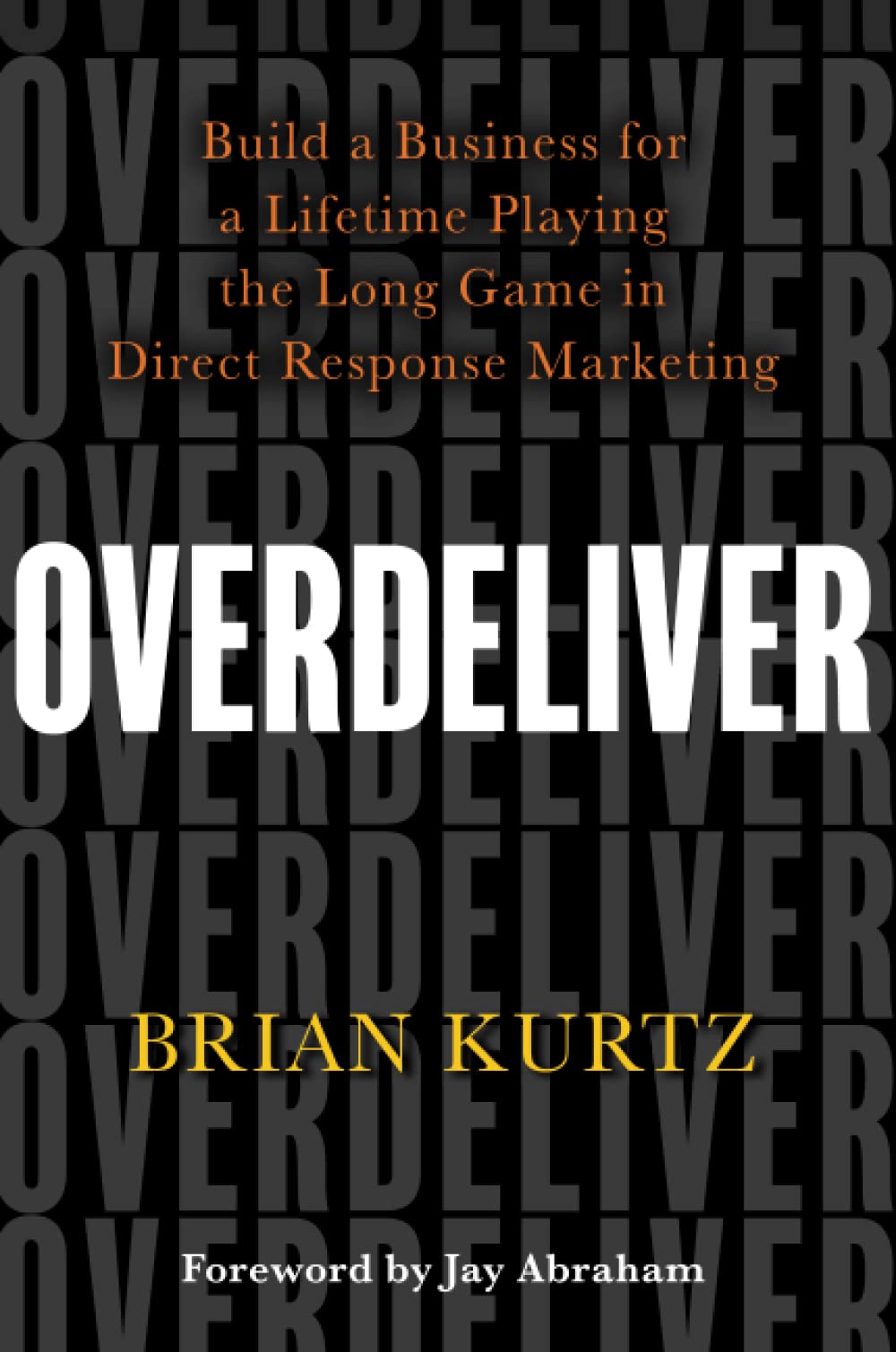
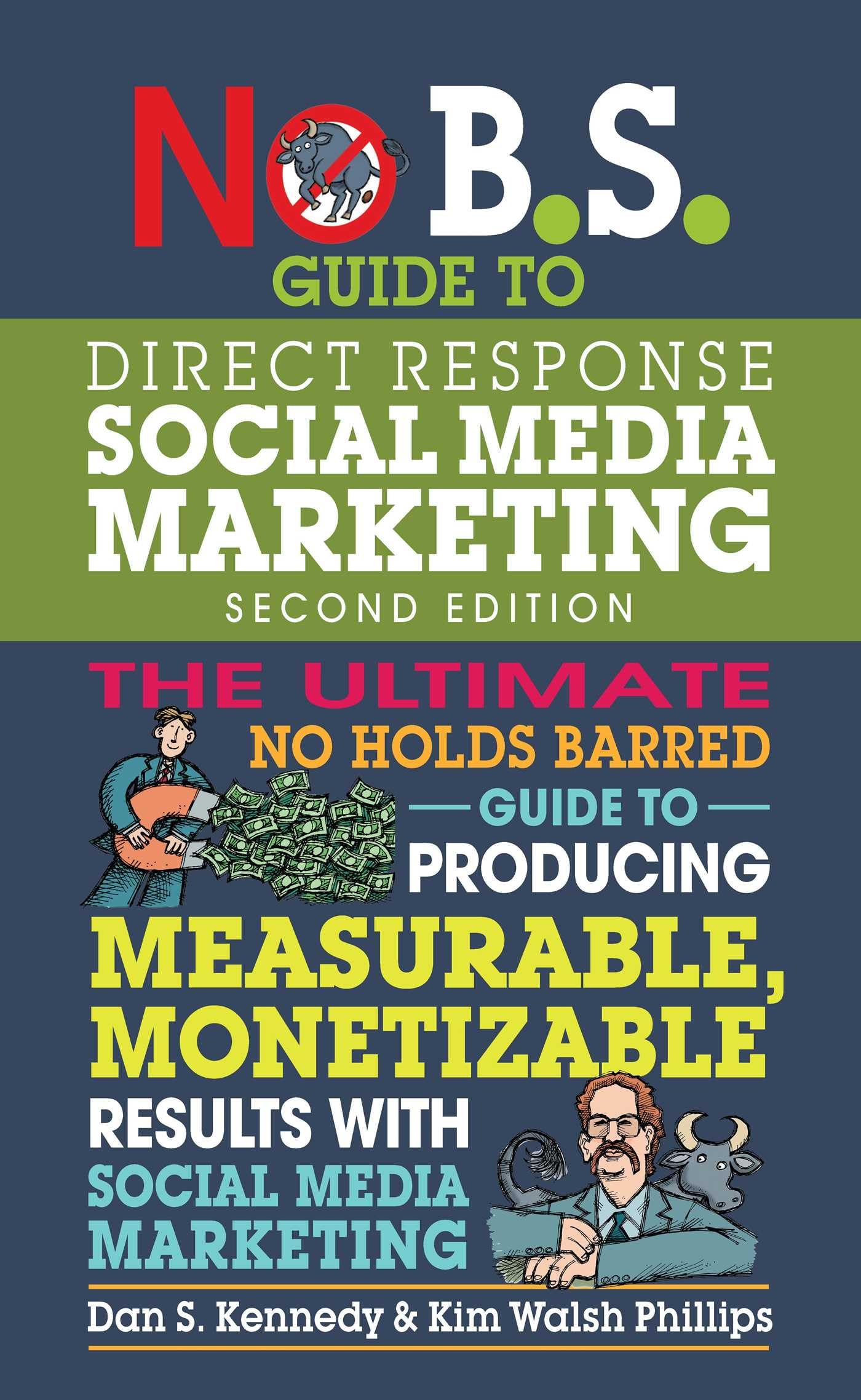
Prices change; check the current price on Amazon. We earn a small commission on qualifying purchases at no extra cost to you.