Digital Marketing
Your website, search, paid search, social, email, mobile and analytics — the line most journeys now run along.
Digital marketing is the busiest line on the map because so many journeys pass through it: people search, compare, read reviews, click an ad, sign up, and buy online — even when the final purchase happens in a shop. The channels are cheap to start and easy to measure, which is both their strength and their trap: it is easy to optimise what is measurable rather than what matters.
The stations on this line each have a full guide. This page covers how they connect, and the website and mobile foundations that everything else depends on.
Your website
Every digital channel sends people somewhere, and that somewhere is usually your website. Before spending on traffic, make sure the site loads quickly on a phone, explains what you do in the first screen, makes the next step obvious and works for people using assistive technology. A slow or confusing site taxes every channel you put money into.
Under UK law (the Privacy and Electronic Communications Regulations, PECR), non-essential cookies — including most analytics and advertising cookies — need consent. The Information Commissioner's Office (ICO) publishes guidance on what counts as essential and how consent banners should work.
Mobile
Most UK web visits now come from phones. Design for the thumb: large tap targets, short forms, autofill, wallet payments and click-to-call. Apps make sense when people will use them repeatedly — loyalty, banking, ordering — and rarely as a first step for a small business.
Ecommerce
Selling online adds product data, feeds and marketplaces to the mix. Good product titles, clear photography, honest delivery and returns information, and reviews do more for conversion than most clever tactics. Your product feed powers shopping ads, comparison sites and marketplaces, so keep it accurate.
Joining the channels up
The channels work best together. Search captures demand that advertising and PR create; email turns a one-off visitor into a repeat customer; social spreads content that earns links that help SEO. Plan around the customer journey — discover, consider, buy, return — and give each channel a job rather than asking every channel to deliver sales on its own.
Analytics and measurement
Decide what success looks like before you launch: a sale, a lead, a booking, a sign-up. Track those conversions consistently, use UTM parameters on campaign links, and look at trends over weeks rather than reacting to daily noise. Remember that analytics only sees consenting visitors and last clicks — balance it with sales data and occasional controlled tests.
Digital marketing books
Shop this on Amazon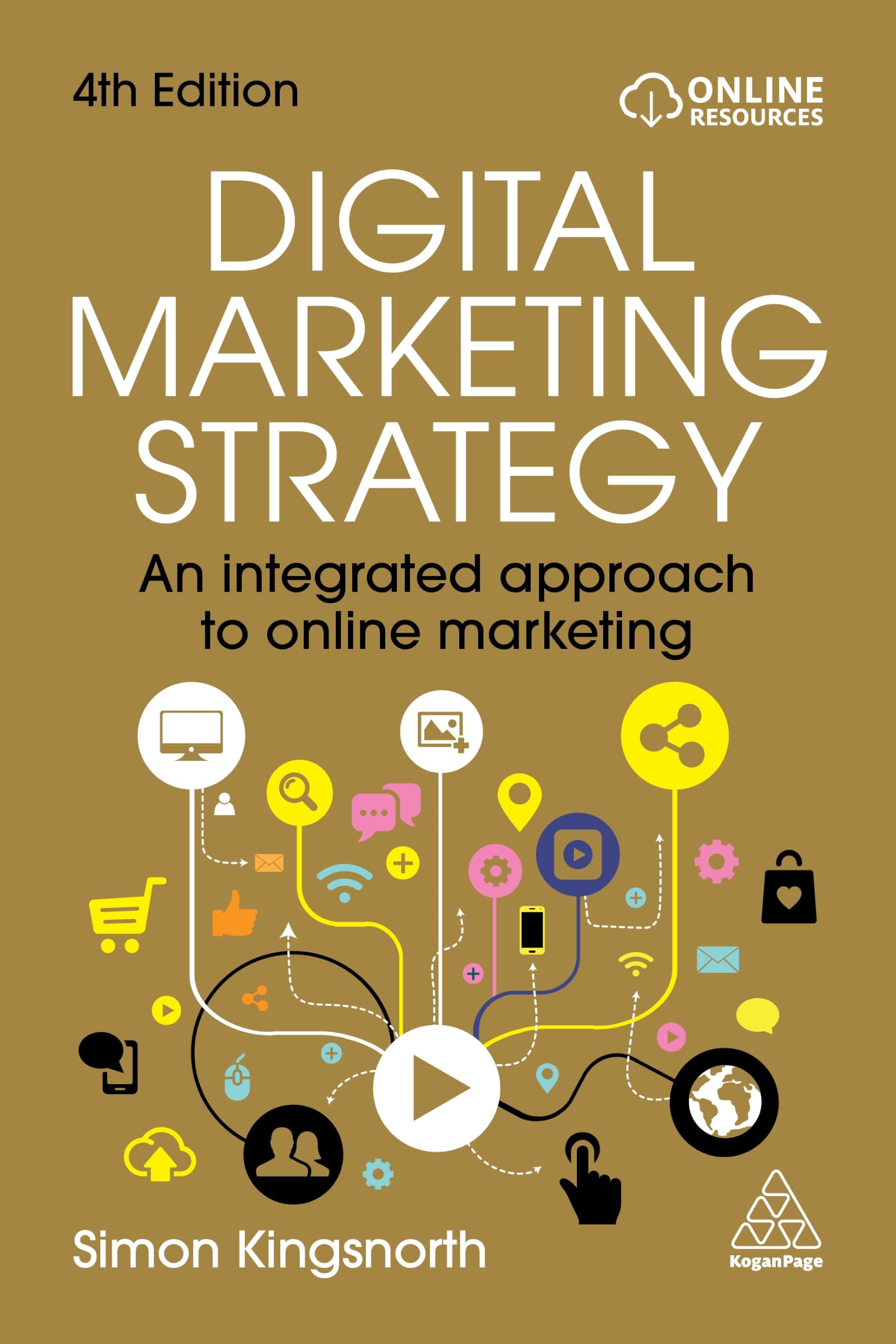



Prices change; check the current price on Amazon. We earn a small commission on qualifying purchases at no extra cost to you.