SEO: a practical guide to search engine optimisation
Getting found in organic search: technical health, content that answers questions, and links that earn trust.
Search engine optimisation is the work of making your pages the best answer to what people search for — and making sure search engines can find, understand and trust them. It is slow compared with paid search, but traffic you earn keeps coming without a cost per click, and it compounds over time.
How search engines rank pages
Search engines crawl the web, index what they find and rank pages for each query on relevance, quality and usefulness. In practice that comes down to three things you can influence: the page can be crawled and understood (technical), it answers the searcher's question better than the alternatives (content), and other sites vouch for it (links and reputation). AI-generated answers in search results raise the bar further: pages that are clear, specific and genuinely expert are the ones those answers draw on.
Technical SEO
- Make sure important pages return a 200 status, are linked from your navigation and appear in an XML sitemap.
- Use one canonical URL per page; redirect old URLs with 301s when you change structure.
- Keep pages fast on mobile and avoid layouts that jump about as they load.
- Use descriptive title tags and headings; add structured data only where it accurately describes the page.
- Register the site in the search engines' webmaster tools to see crawl errors and the queries you appear for.
Content that ranks
Start with what your customers actually search for — keyword tools, your own site search and the questions sales and service staff hear every day. Build one strong page per topic rather than many thin variations. Show real experience: original examples, data, photographs and the practical detail only someone who has done the work would know. Update important pages when facts change.
Links and authority
Links from relevant, respected sites remain one of the strongest ranking signals. The durable way to earn them is to publish something worth citing — research, tools, guides, opinion — and to tell the people who would care, which is where SEO meets PR. Avoid buying links or joining link schemes: search engines penalise them.
Local SEO
For businesses serving a local area, the map results matter as much as the ordinary listings. Claim and complete your business profiles on the major search engines and maps, keep your name, address and opening hours consistent everywhere they appear, gather reviews and create a page for each location you serve.
Measuring SEO
Track impressions, clicks and average position by page and query in the search engines' own consoles, plus organic conversions in your analytics. Expect months, not weeks, before significant changes show — and judge progress on qualified traffic and enquiries, not on a single ranking.
SEO books
Shop this on Amazon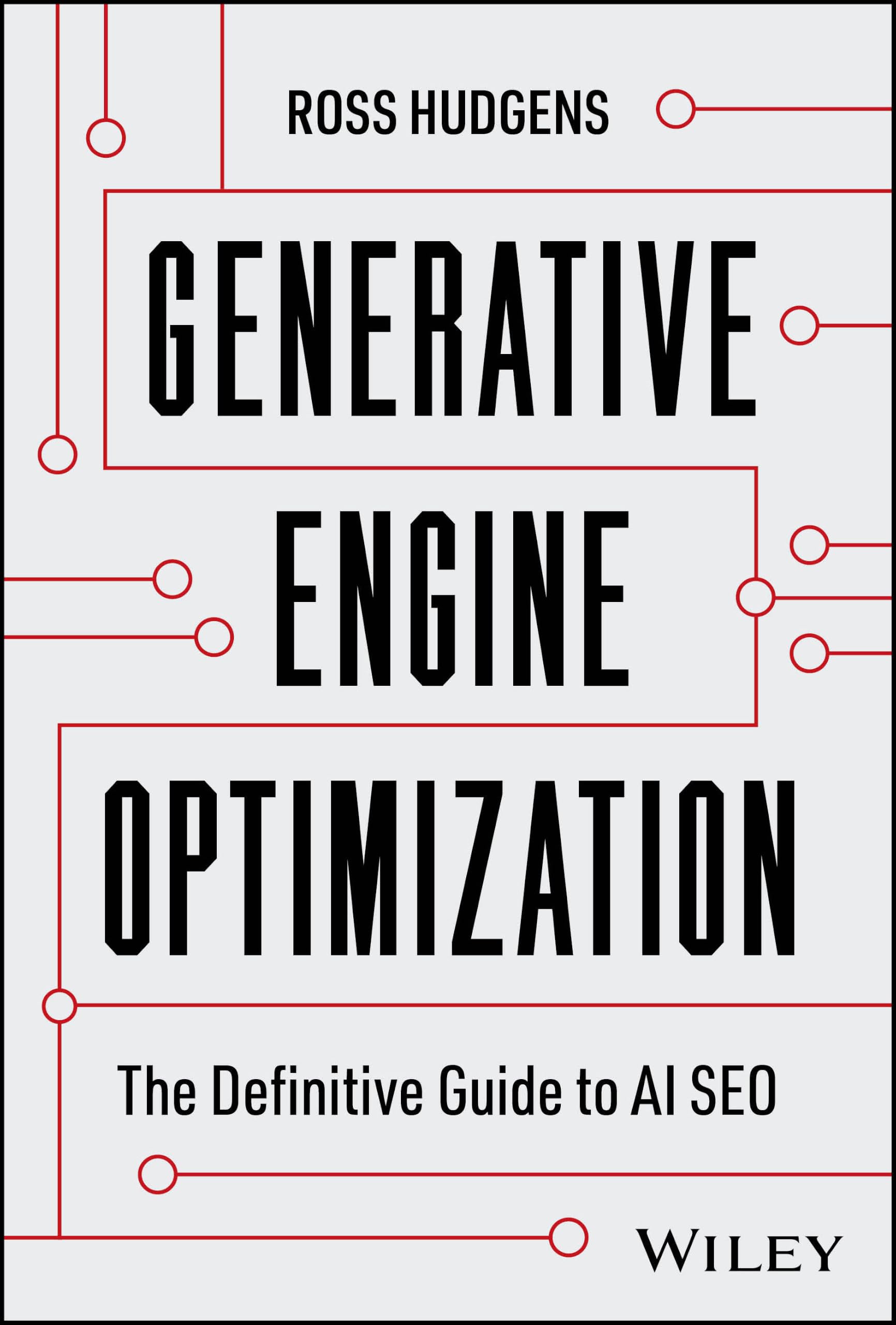


Prices change; check the current price on Amazon. We earn a small commission on qualifying purchases at no extra cost to you.